
Optimal Timing for Tree Removals
Understanding the optimal time for tree removals is essential for safety and efficiency. The timing depends on factors such as tree species, local climate, and specific reasons for removal. Proper timing can minimize damage to surrounding vegetation and reduce risks associated with the process.
Winter is often considered ideal for tree removals because trees are dormant, making them easier to cut and reducing stress on surrounding plants.
Removals during spring and summer may interfere with active growth and flowering cycles, but are sometimes necessary due to safety concerns or storm damage.
Fall can be suitable for removals before the onset of winter, but it depends on the tree species and local weather conditions.
Dry, calm days are preferred for tree removals to ensure safety and precision. Heavy rain or high winds can increase risks.
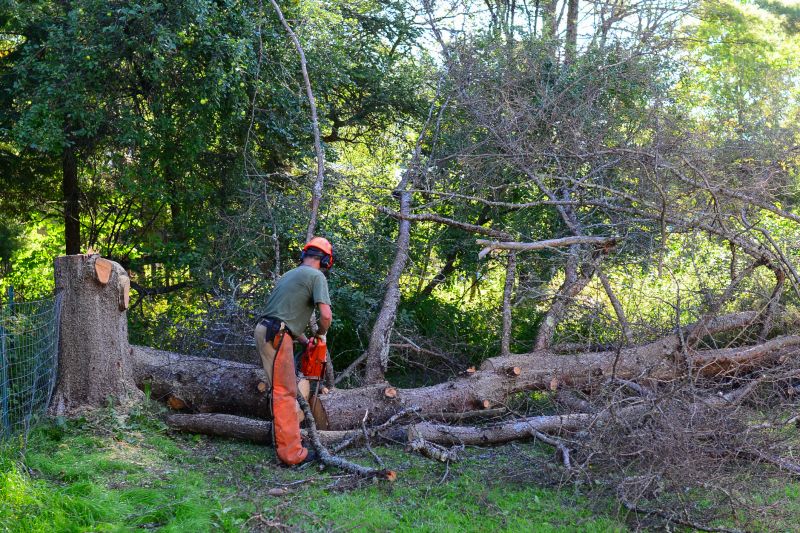
Tree removal during winter with snow-covered landscapes.
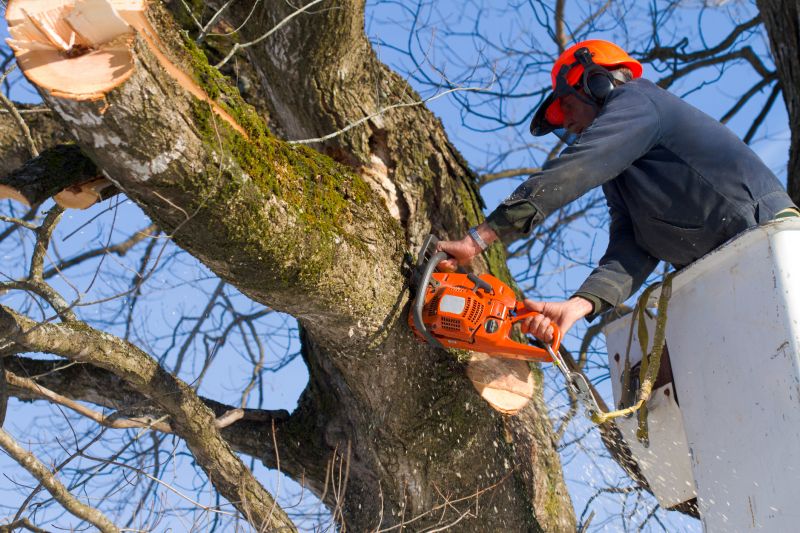
Active spring growth period showing trees in full leaf.
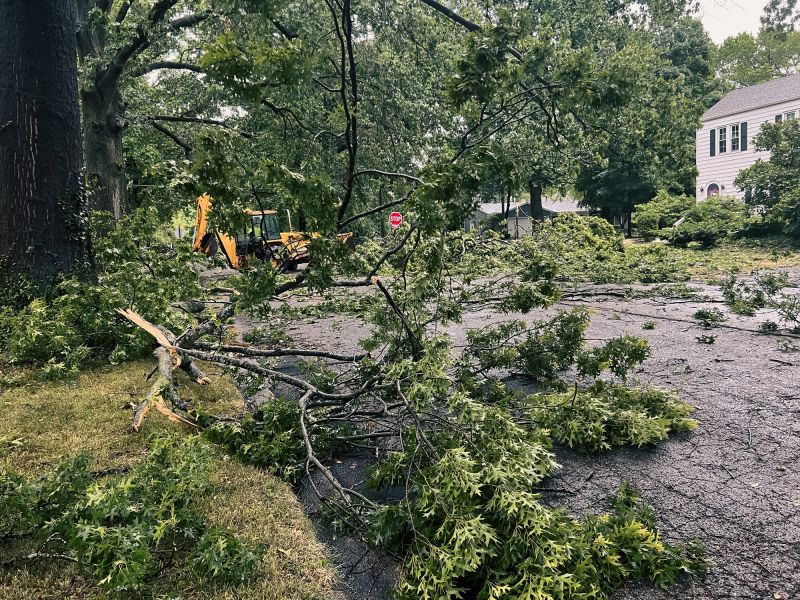
Recent storm damage requiring urgent tree removal.
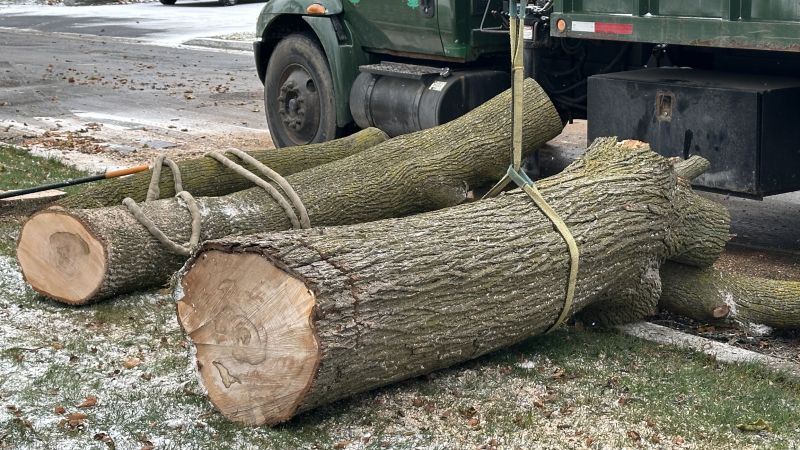
Ways to make Tree Removals work in tight or awkward layouts.
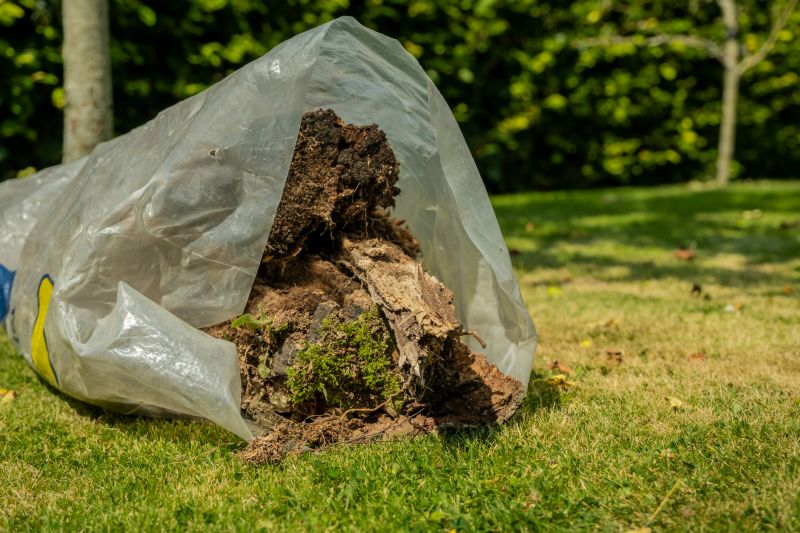
Popular materials for Tree Removals and why they hold up over time.
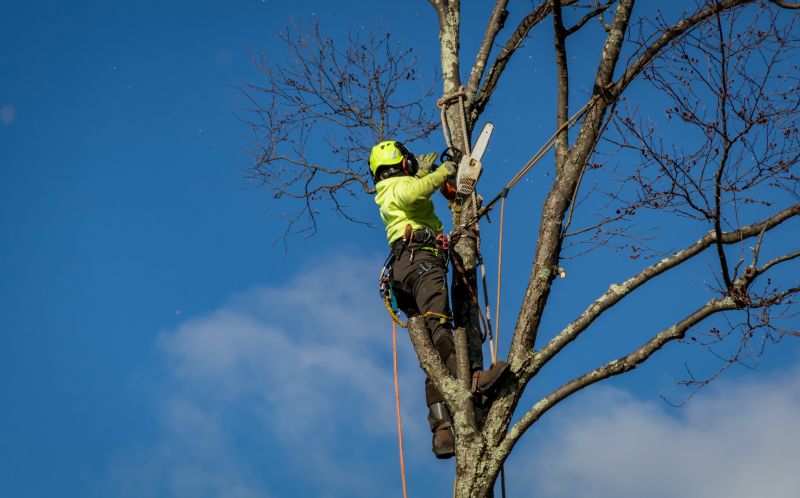
Simple add-ons that improve Tree Removals without blowing the budget.
High-end options that actually feel worth it for Tree Removals.
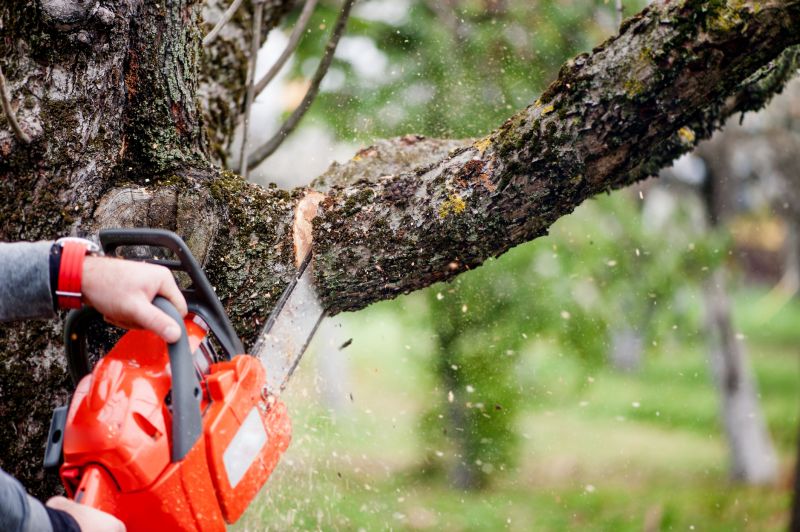
Finishes and colors that play nicely with Tree Removals.
| Season | Best Practices |
|---|---|
| Winter | Ideal for dormant trees, minimizes impact on surrounding flora. |
| Spring | Use caution as trees are active; best for emergency removals. |
| Summer | Limited window; best for non-urgent removals due to active growth. |
| Fall | Suitable before winter; consider species-specific dormancy periods. |
| Storms | Urgent removals may be necessary regardless of season. |
Tree removals are a significant aspect of landscape management, often necessary for safety, health, or aesthetic reasons. Proper timing ensures the process is conducted efficiently and minimizes impact on the environment. Statistically, winter removals tend to be safer and more cost-effective because trees are less active and easier to handle. Additionally, removing trees during dormancy reduces stress and potential damage to nearby plants.
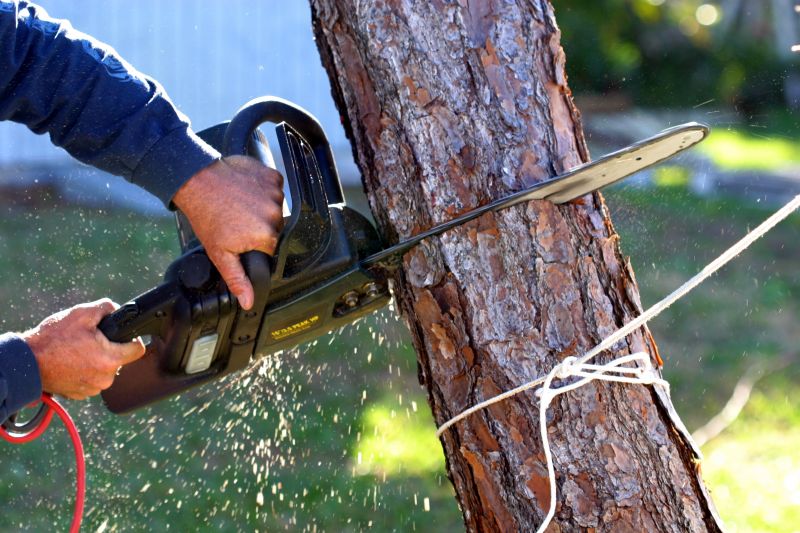
Specialized tools used during tree removal process.
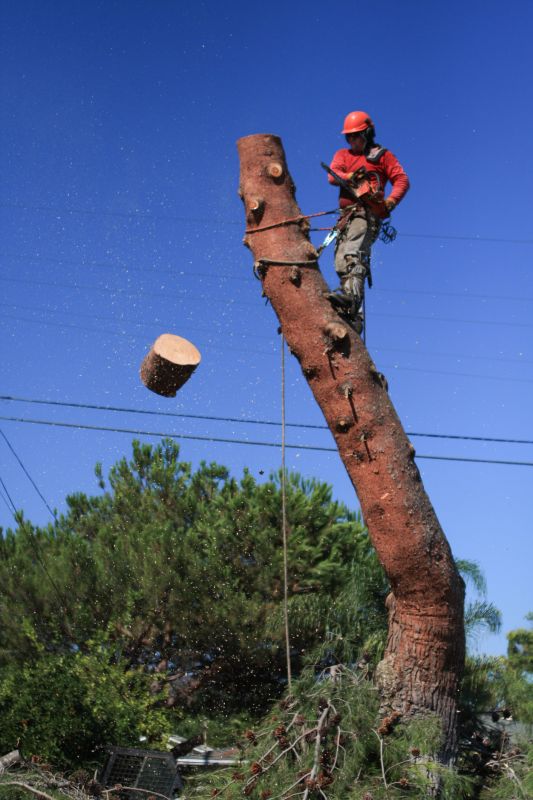
Professional tree removal with safety measures.
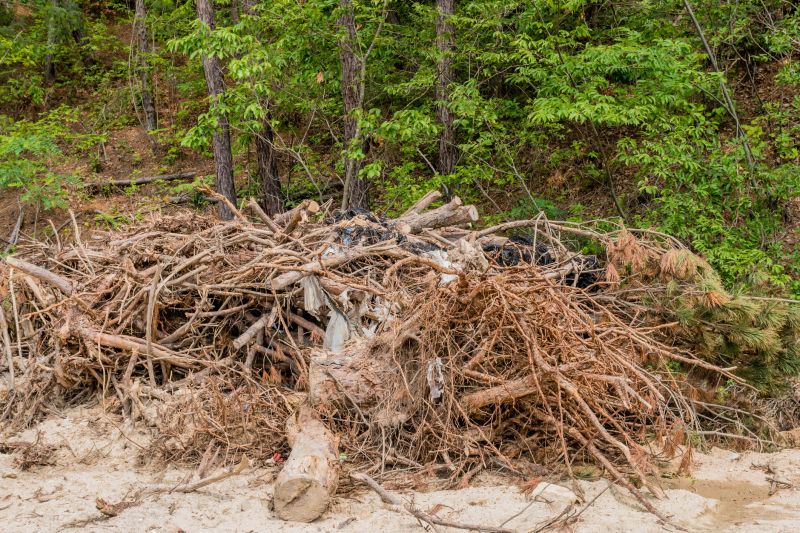
Proper cleanup after tree removal.
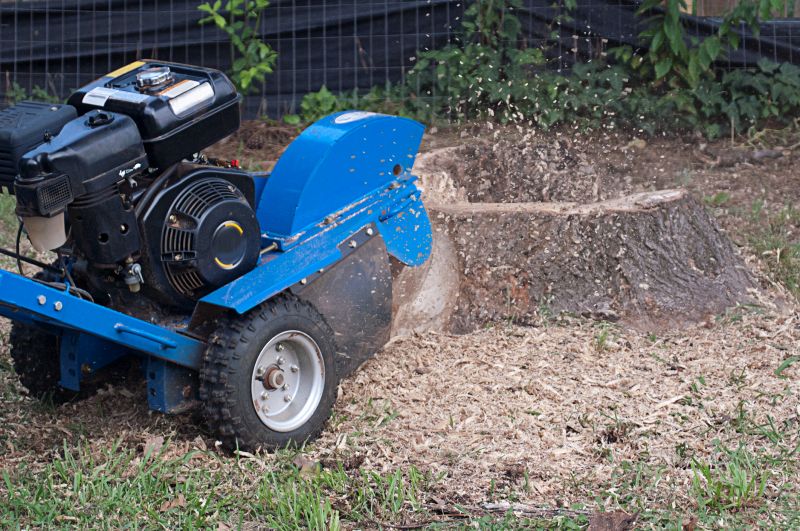
Post-removal step to clear remaining stump.

Little measurements that prevent headaches on Tree Removals day.
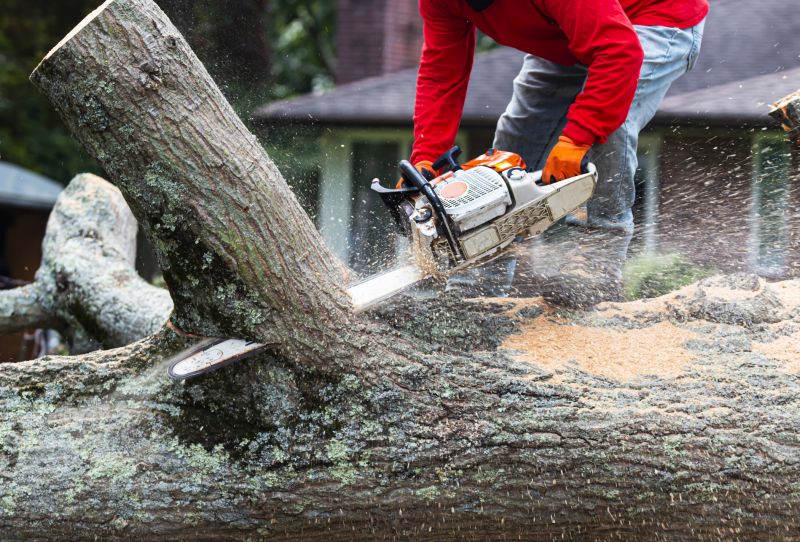
A 60-second routine that keeps Tree Removals looking new.
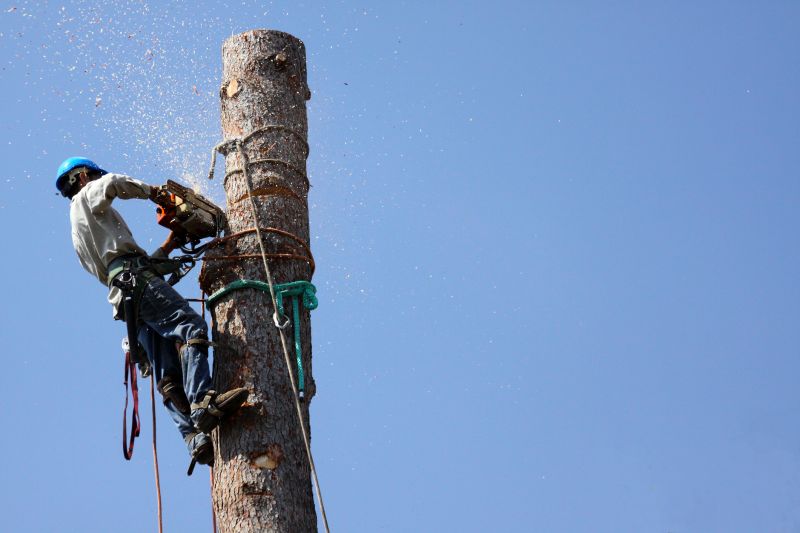
A frequent mistake in Tree Removals and how to dodge it.
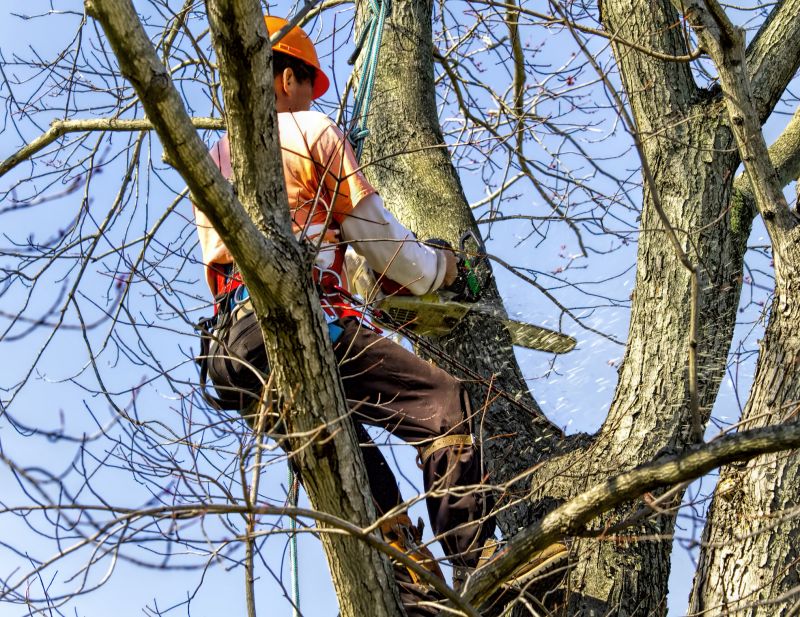
Small tweaks to make Tree Removals safer and easier to use.
Interested in scheduling a tree removal? Filling out the contact form can provide more information on the best timing for specific trees and landscape needs. Proper timing and professional execution ensure safety and optimal results for property management in Hayward, CA.