
Popular Tree Removal Products for Safe and Effective Work
Explore top-rated tools and accessories that ensure reliable performance during tree cutting and removal projects.
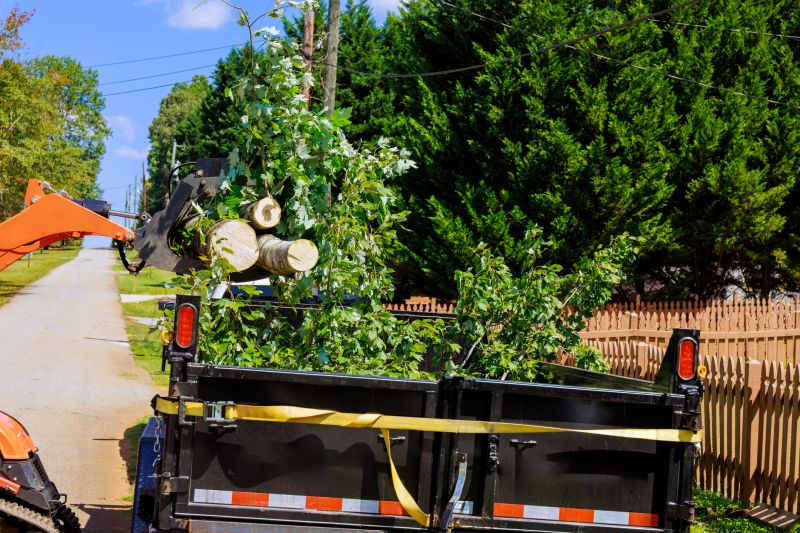 Tree removal is a significant task that requires careful consideration of the tools and equipment involved. Whether managing a hazardous tree, clearing space for new construction, or maintaining landscape health, selecting the appropriate products is essential for safety and efficiency. In Hayward, CA, where urban and suburban environments often intersect with mature trees, having reliable tools can make a substantial difference in project outcomes.
Top Overall Option
Heavy-Duty Chainsaw
A versatile heavy-duty chainsaw is a fundamental tool for tree removal tasks, capable of handling large branches and trunks with ease. Its powerful engine and durable chain allow for efficient cutting, making it suitable for both professional and serious DIY projects. When selecting a chainsaw, consider safety features such as chain brakes and anti-vibration handles to enhance user comfort and safety during extended use.
Types of Products For Tree Removals
Manual Hand Saw
Ideal for small branches and precise cuts, manual hand saws are lightweight and easy to maneuver in tight spaces.
Chainsaw
A powered chainsaw provides increased cutting power for larger branches and trunks, suitable for more demanding removal tasks.
Pruning Shears
Useful for trimming smaller branches and preparing trees for removal, pruning shears offer control and precision.
Pole Saw
A pole saw extends your reach, allowing you to cut high branches safely from the ground.
Rope and Pulley System
Essential for controlled lowering of heavy branches, reducing the risk of damage or injury.
Safety Harness
Provides support and security when working at heights, helping prevent falls during tree dismantling.
Loppers
Heavy-duty loppers are effective for cutting thick branches close to the trunk.
Chainsaw Carving Bar
Designed for precision cuts and detailed work, especially in difficult-to-reach areas.
Tree Climbing Spikes
Allow arborists to ascend trees safely for pruning or removal tasks.
Debris Chute
Helps direct cut branches and debris away from work areas, keeping the site clean.
Tree Stump Grinder
Facilitates the removal of remaining stumps after tree cutting, making space for new landscaping.
Wood Chipper
Converts branches and small trunks into mulch, simplifying debris disposal.
Protective Clothing
Includes helmets, gloves, and eye protection to ensure safety during tree removal.
Rigging Hardware
Includes shackles, slings, and anchors for securing and controlling heavy loads.
Lift Platform
Provides elevated access for reaching high branches safely.
Tree Removal Rope
Strong, durable ropes used for lowering cut branches and sections.
Hydraulic Tree Shears
Powerful attachments for excavators to grasp and cut large tree sections efficiently.
Emergency First Aid Kit
Essential for addressing minor injuries that may occur during removal activities.
Popular Choices
A portable option for smaller jobs, offering convenience without the need for fuel or cords.
Popular for reaching high branches safely from the ground.
Effective for trimming and preparing branches for removal.
Trusted by arborists for secure ascent and descent in tree work.
Widely used for on-site debris reduction and mulch production.
Essential for controlled lowering and safety during dismantling.
Helpful for clearing debris after removal work.
A staple for hand protection during all phases of tree removal.
Popular for efficiently removing tree stumps after trunk removal.
Provides head and face protection during cutting operations.
Commonly used for securing large sections for lowering.
A favored heavy machinery option for large-scale removals.
Popular among professional arborists for safe tree ascent.
Helps contain falling branches and debris during removal.
Useful for pulling and stabilizing large tree sections.
Provides stable access to high work areas.
Includes harnesses, helmets, and gloves for comprehensive safety.
Maintains cutting performance and safety.
A reliable option for secure ascent and descent.
When approaching tree removal, safety should always be the top priority. Proper gear such as protective clothing, helmets, and gloves are vital, but the core equipment used to cut and dismantle trees must be chosen with care. From manual hand tools to powered machinery, the right products can help you perform the task effectively while minimizing risk.
Understanding the different types of products available can help you assemble a comprehensive toolkit suited to various tree removal scenarios. For example, smaller trees may be manageable with hand saws, while larger, more complex removals often require chainsaws and rigging equipment. Additionally, accessories such as ropes, pulleys, and safety harnesses are crucial for controlled dismantling and safe descent of branches.
Investing in quality equipment not only enhances safety but also improves the efficiency of the removal process. Proper maintenance and understanding of each tool’s capabilities are equally important. Whether you are a professional arborist or a homeowner undertaking a removal project, selecting the right products tailored to the specific needs of your task will help ensure a successful and safe operation.
Key Buying Considerations
- Assess the size and type of trees you need to remove to select appropriate tools.
- Prioritize safety features such as chain brakes, anti-vibration handles, and protective gear.
- Consider the power source—corded, cordless, or gas-powered—based on mobility needs.
- Evaluate the weight and ergonomics of tools for ease of handling during extended use.
- Check for compatibility with accessories like blades, chains, and attachments for versatility.
- Determine the reach needed, especially for high branches, to select suitable extension tools.
- Review maintenance requirements to ensure longevity and optimal performance of equipment.
- Consider your skill level—some tools require professional training for safe operation.
- Factor in storage and transportation options for larger equipment or multiple tools.
- Budget for quality gear that ensures safety and durability over time.
- Read user reviews and ratings to gauge real-world performance and reliability.
- Verify warranty and customer support options for peace of mind.
- Think about debris management solutions, such as chutes or chippers, to streamline cleanup.
- Ensure compliance with local safety regulations and standards for tree work.
- Plan for emergency preparedness, including first aid supplies and communication devices.